Adrien Ruggiero

Artificial intelligence and data science enthusiasts, my ambition is to become a data scientist. I love to get involved in data science projects on projects that interest me.
View my LinkedIn profile
DPAE & ESSA Times Series Forecasting
1. About this project
This school project was proposed to handle time series. The code is available here.
In this project, we face two databases:
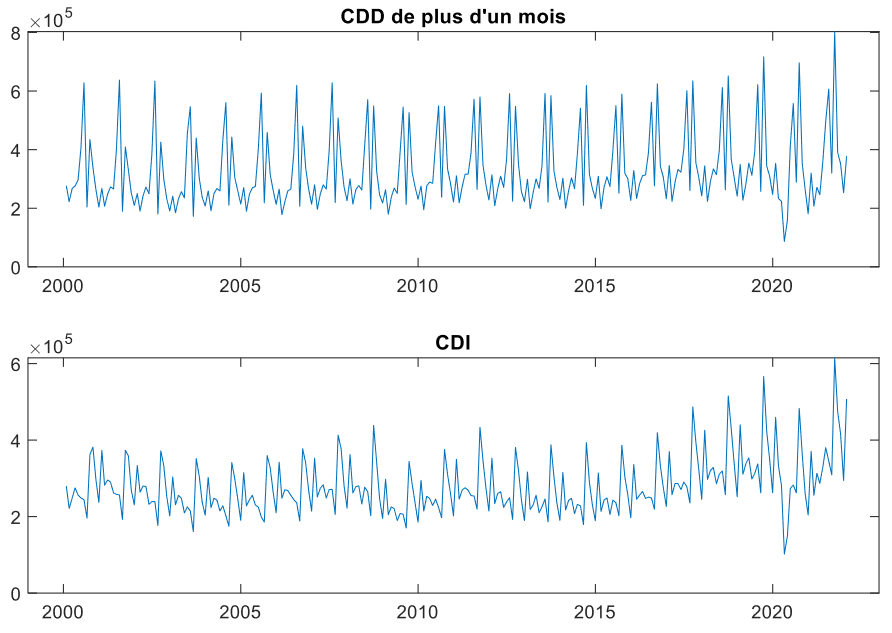
- Monthly pre-employment declarations (DAPE) of more than one month, France (2000 - 2022) : Tableau_DPAE_CSV.csv
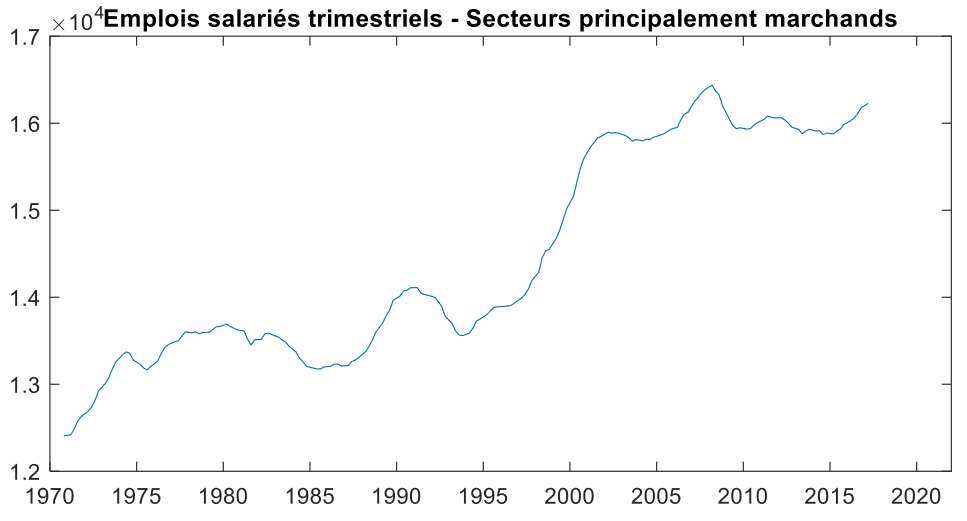
- Estimates of salaried employment by sector of activity (EESSA), 80 sectors, 1970 - 2022 : EESSA.csv
This project will be addressed in several points, namely:
- A pre-processing of the data including cleaning, formatting and visualizing the data
- Evaluate the seasonality and the correlation of time series
- Time series forecasting using the exponential smoothing method.
- An evaluation of the prediction previously made
- Comparison of this prediction with other methods
This project was done in a school context with two other classmates.
2. A first visual and statistical approach
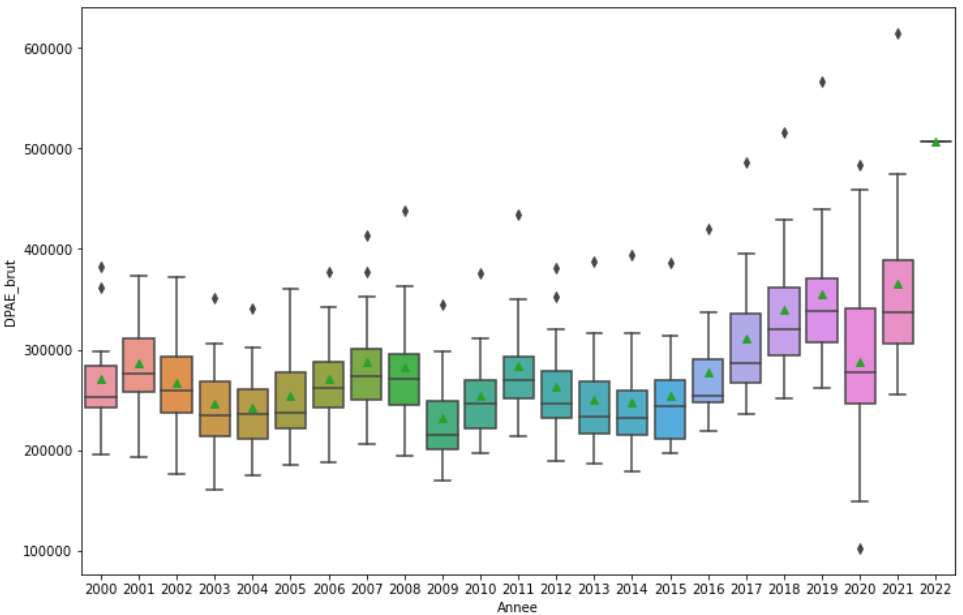
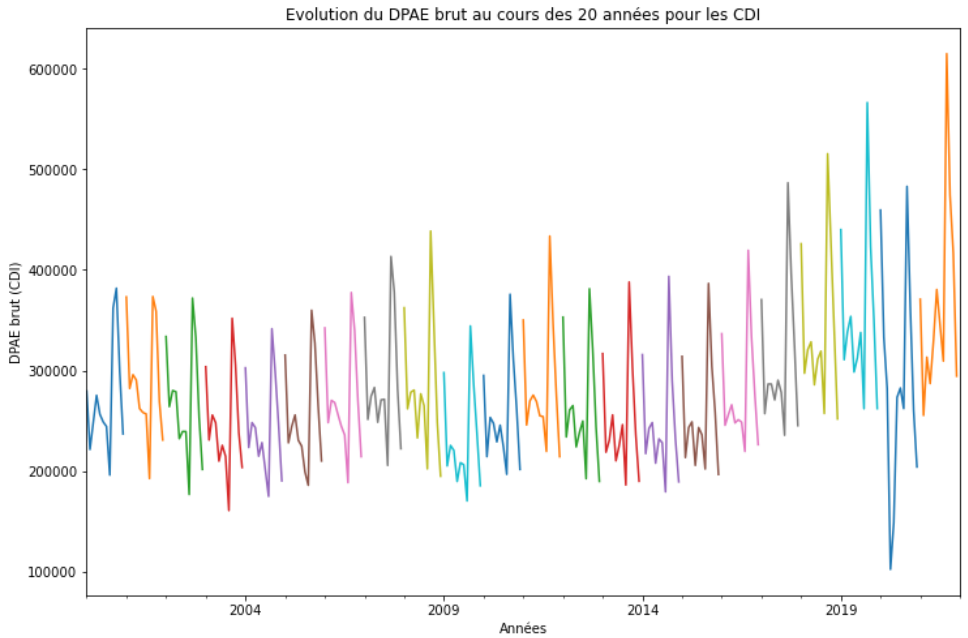
Before attacking the problem as a whole, it is crucial to know what data we are manipulating. This is why we are interested in the manipulation of dataframes to observe certain characteristics.
Moreover, this allows us to observe general statistics quite easily, especially with white boxes or graphs that show the evolution over time.
</br>
3. Seasonality and trend
In this section, multiple tools are used such as :
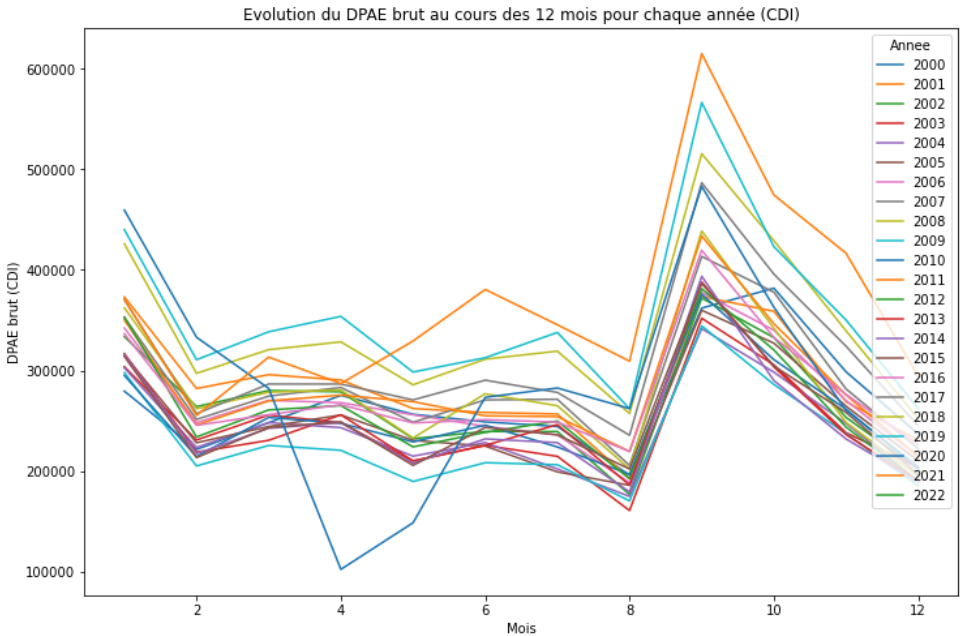
1. The pivot
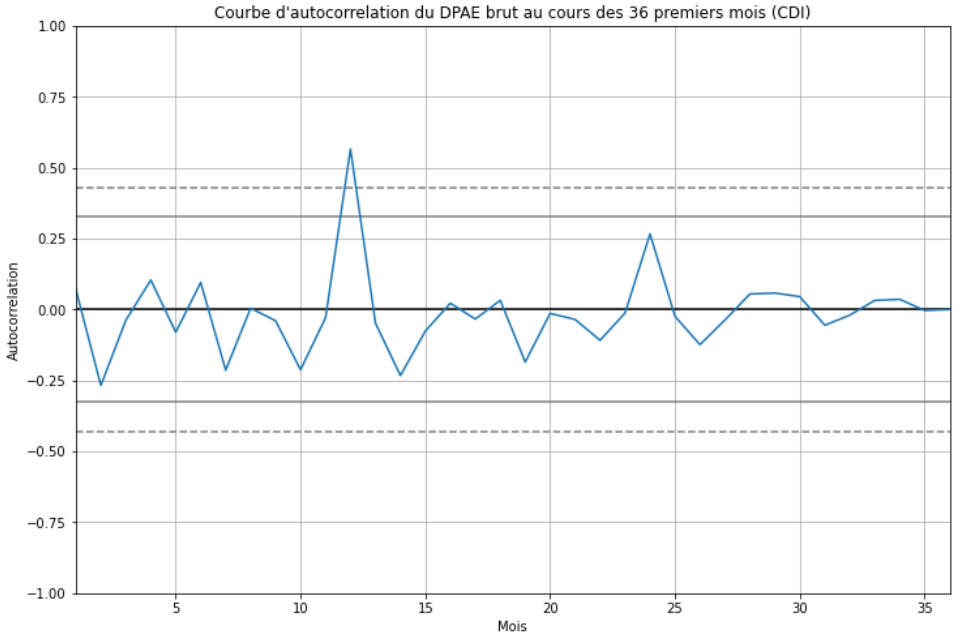
2. Autocorrelation
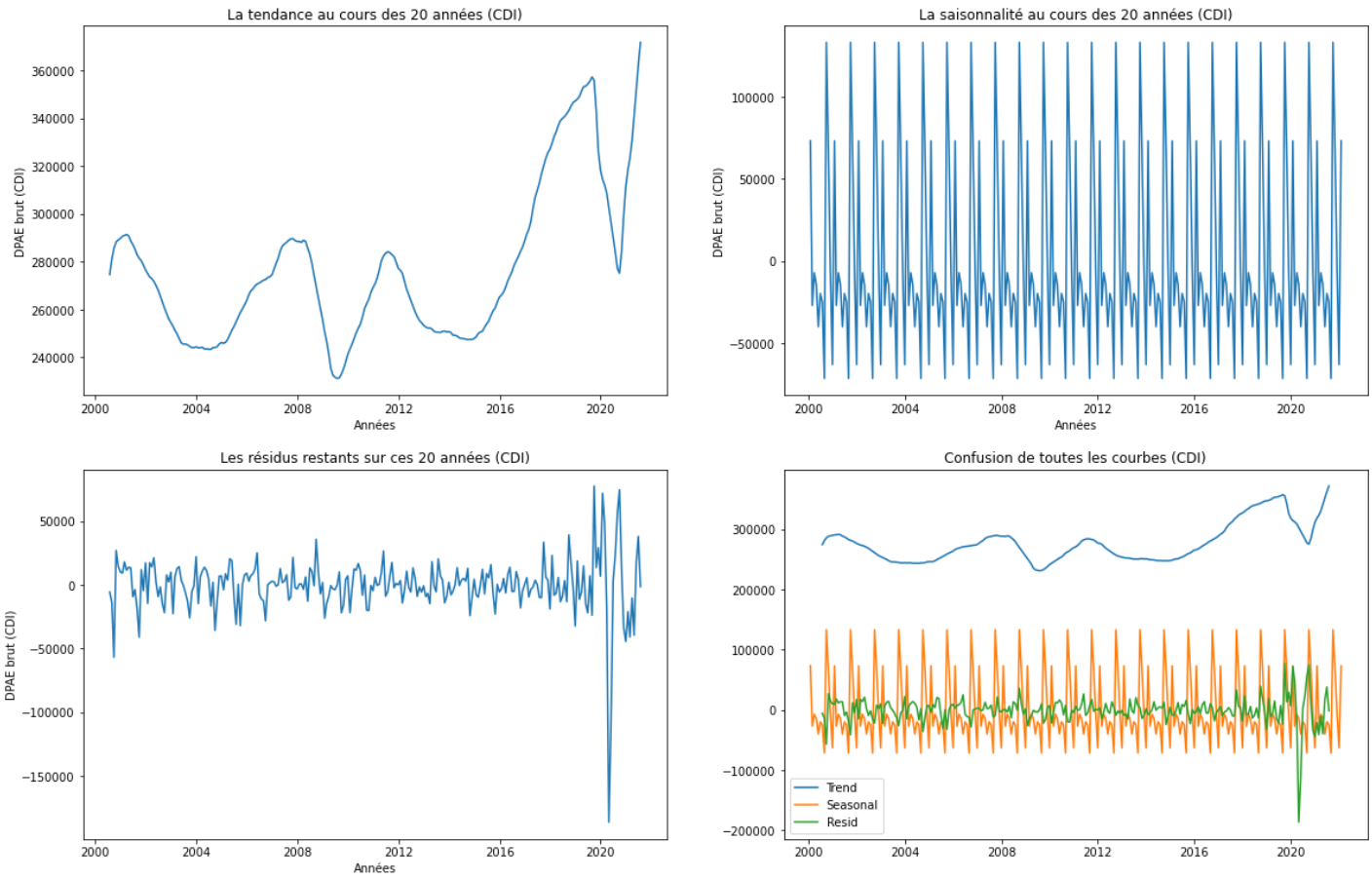
3. Seasonal decomposition
4. Correlation study between two different signals
4. Models used for prediction
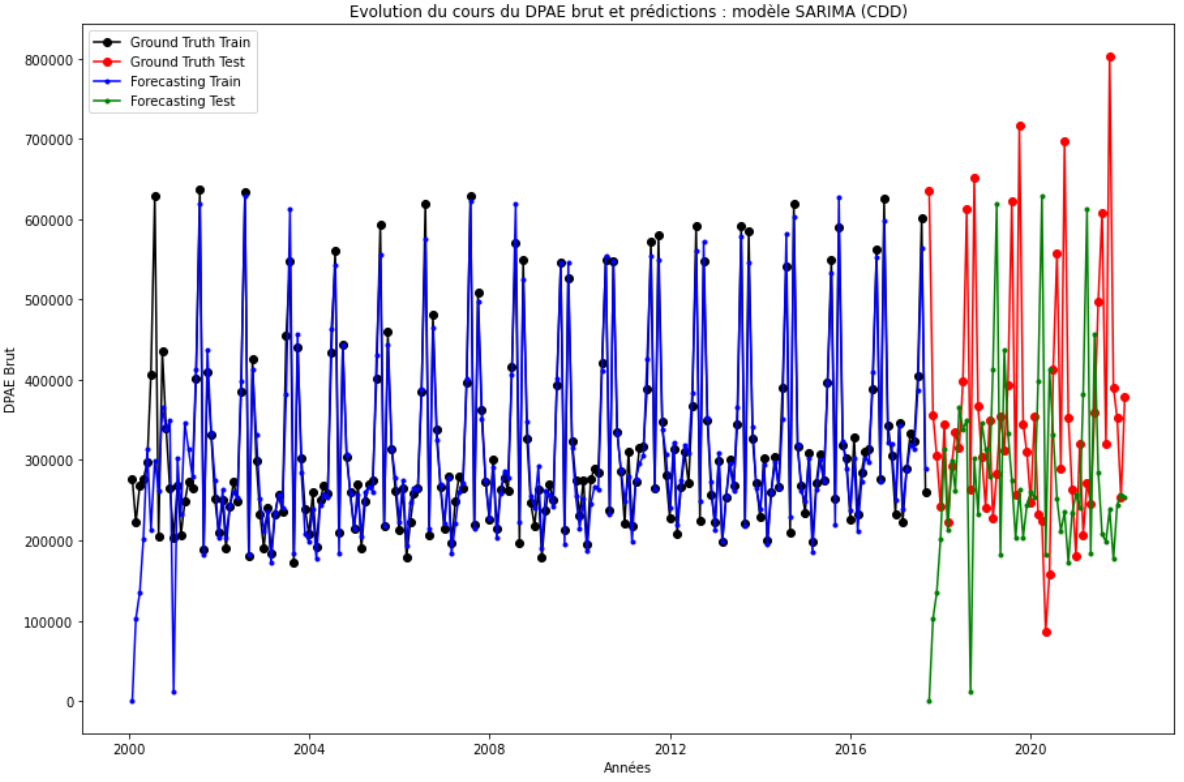
As in machine learning, it is essential to split our data into two parts, namely a training part and a test part to check if the prediction made is correct.
This simply allows us to measure the error and therefore the relevance of the implemented model!
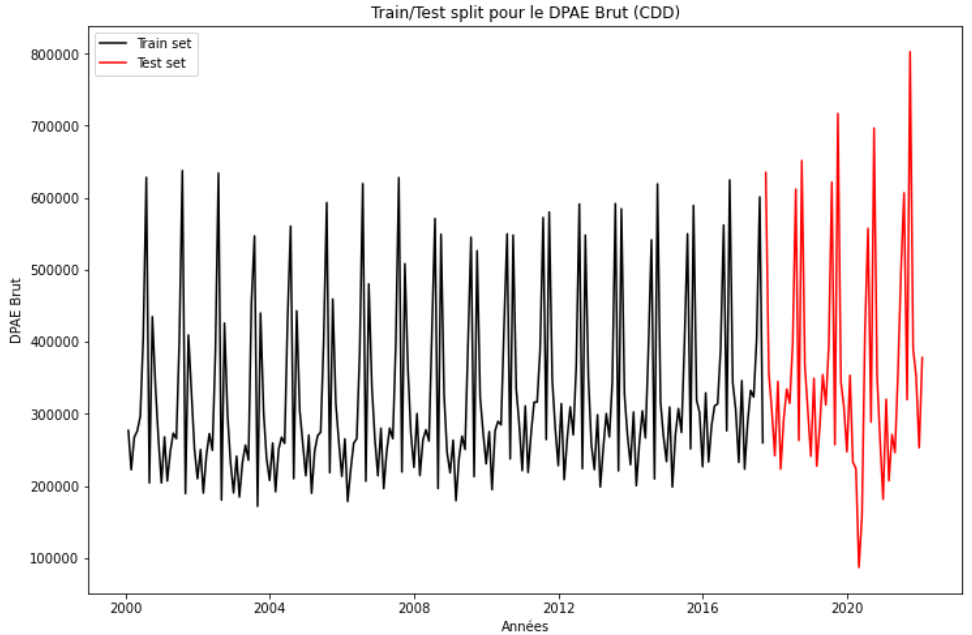
We therefore used five models, namely :
1. Simple exponential smoothing (SES)
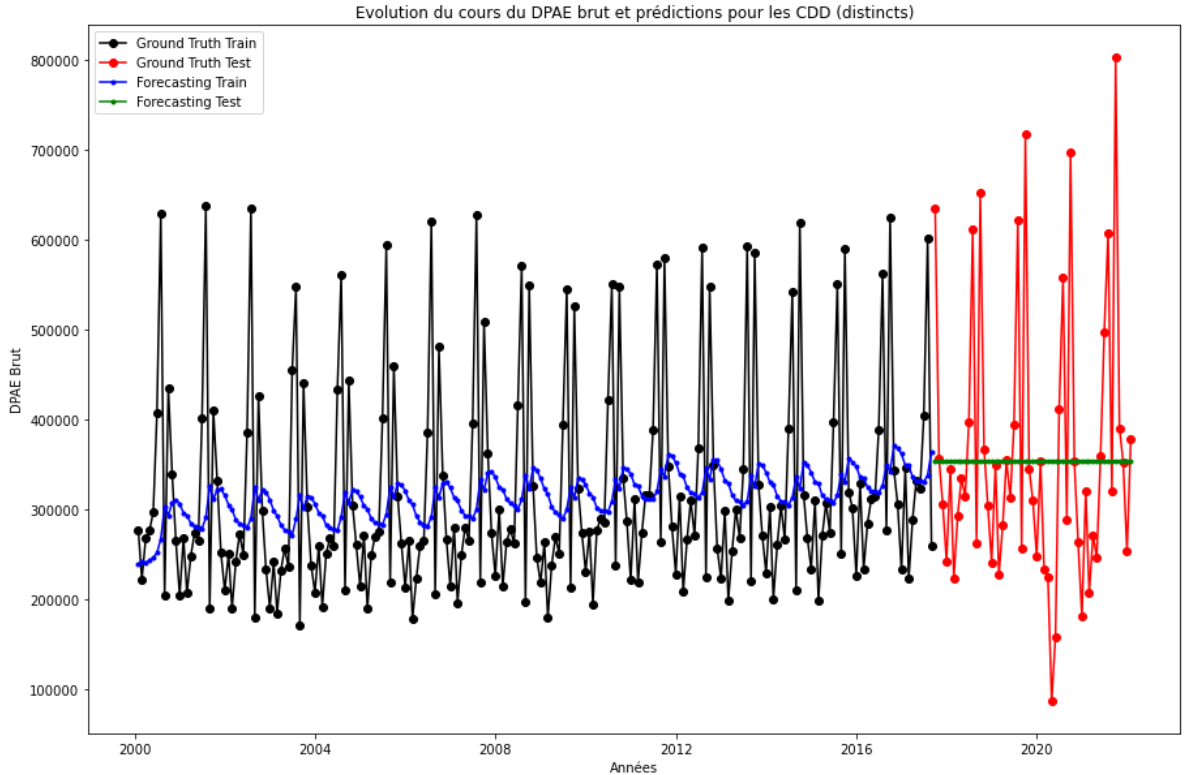
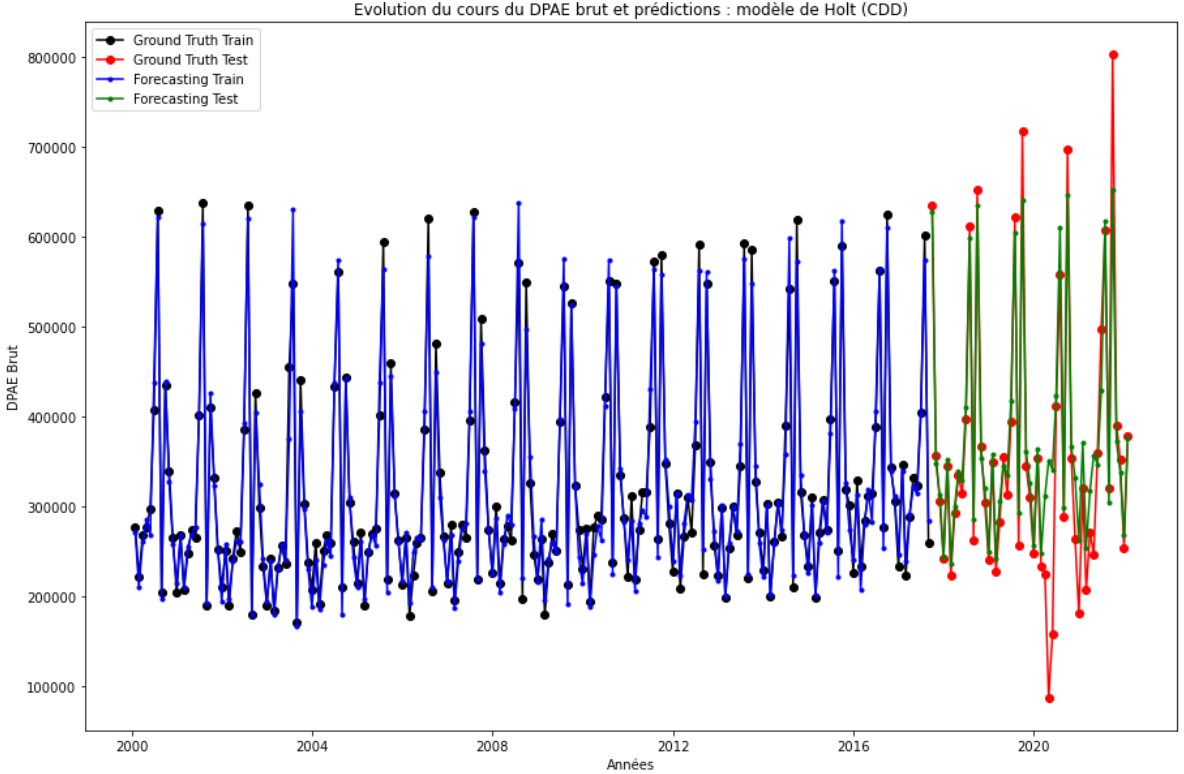
2. Holt Winter seasonal model
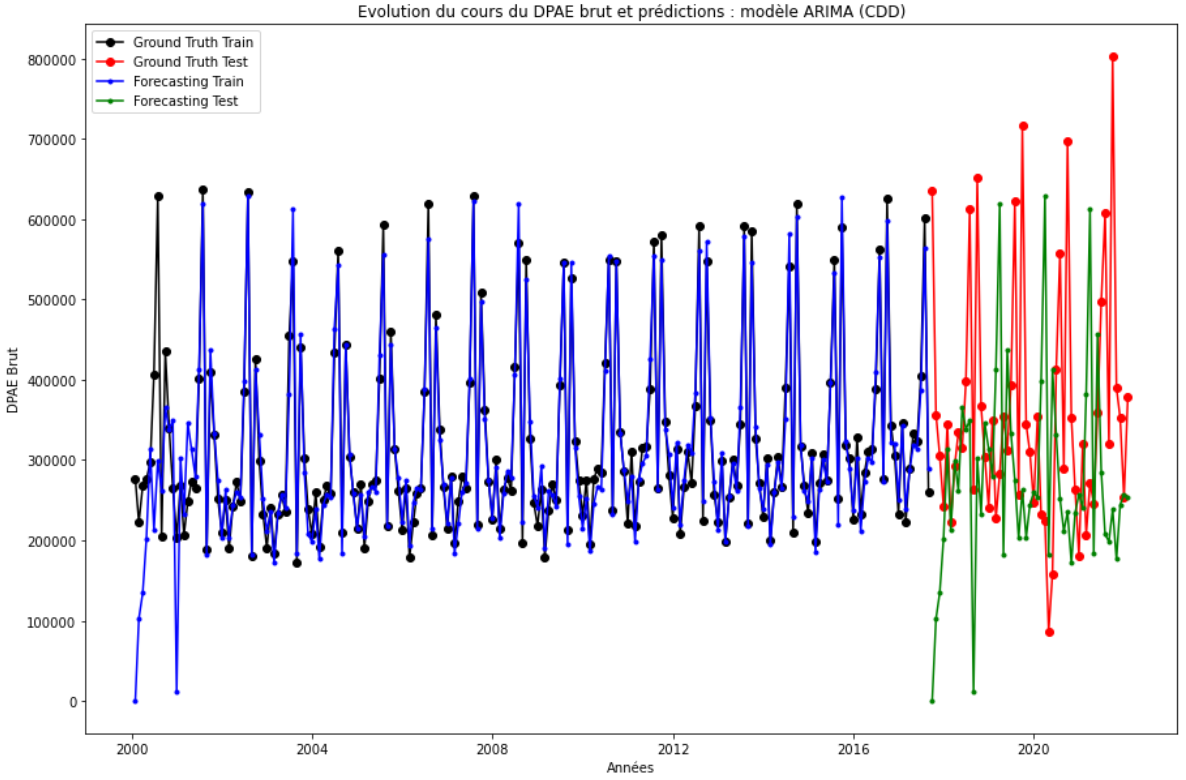
3. Autoregressive integrated moving average (ARIMA)
4. Seasonal autoregressive integrated moving average (SARIMA)
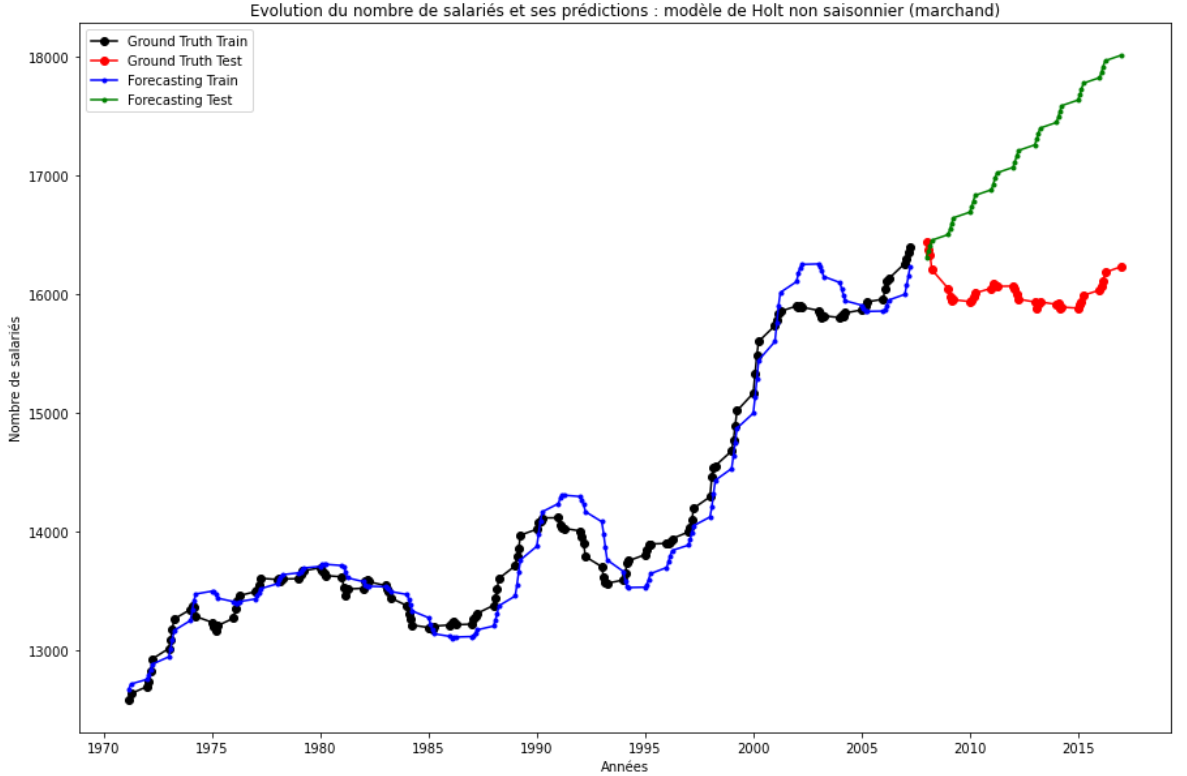
5. None seasonal Holt Winter’s exponential smoothing